Communities of the Cuyabeno Wildlife Reserve

Learn About the Indigenous Peoples Who Live in the Amazon

The Cuyabeno Wildlife Reserve is famous for its wildlife, but it is also home to several Indigenous communities. These groups have lived in the rainforest for many generations, and their cultures are an important part of the region.

This guide explains the four main Indigenous groups connected to Cuyabeno: Kichwa, Siona, Secoya and Cofán. Understanding their traditions helps visitors appreciate the people who protect and care for the forest.

Which Community do we Visit on our Tours?

Sionas de Tarabeaya

Tarabeaya is a small Siona community on the Cuyabeno River. Life here follows the rhythm of the forest. Families fish, grow cassava and travel by canoe, keeping many traditions alive.

During a visit, travelers will help prepare cassava, see how natural materials are used, and how local plants become food or medicine. The community shaman may also offer a short blessing and explain Siona traditions, healing practices and their relationship with the forest.

A visit supports the community and gives travelers a genuine look at Amazon life.

Interior 1

Collecting Yucca - Help the family pull yucca from the garden using traditional methods.

The Siona

Siona Community in Cuyabeno

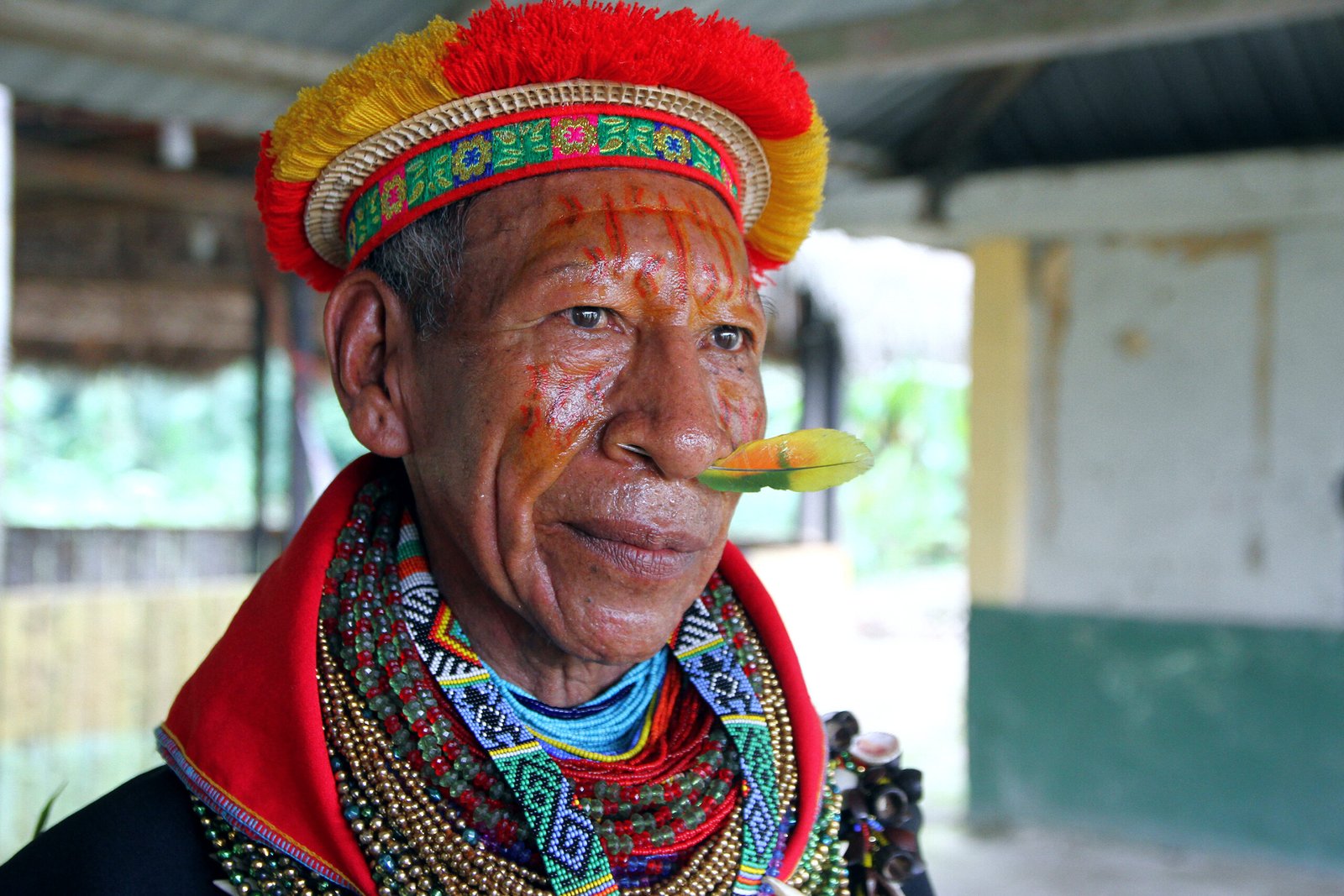
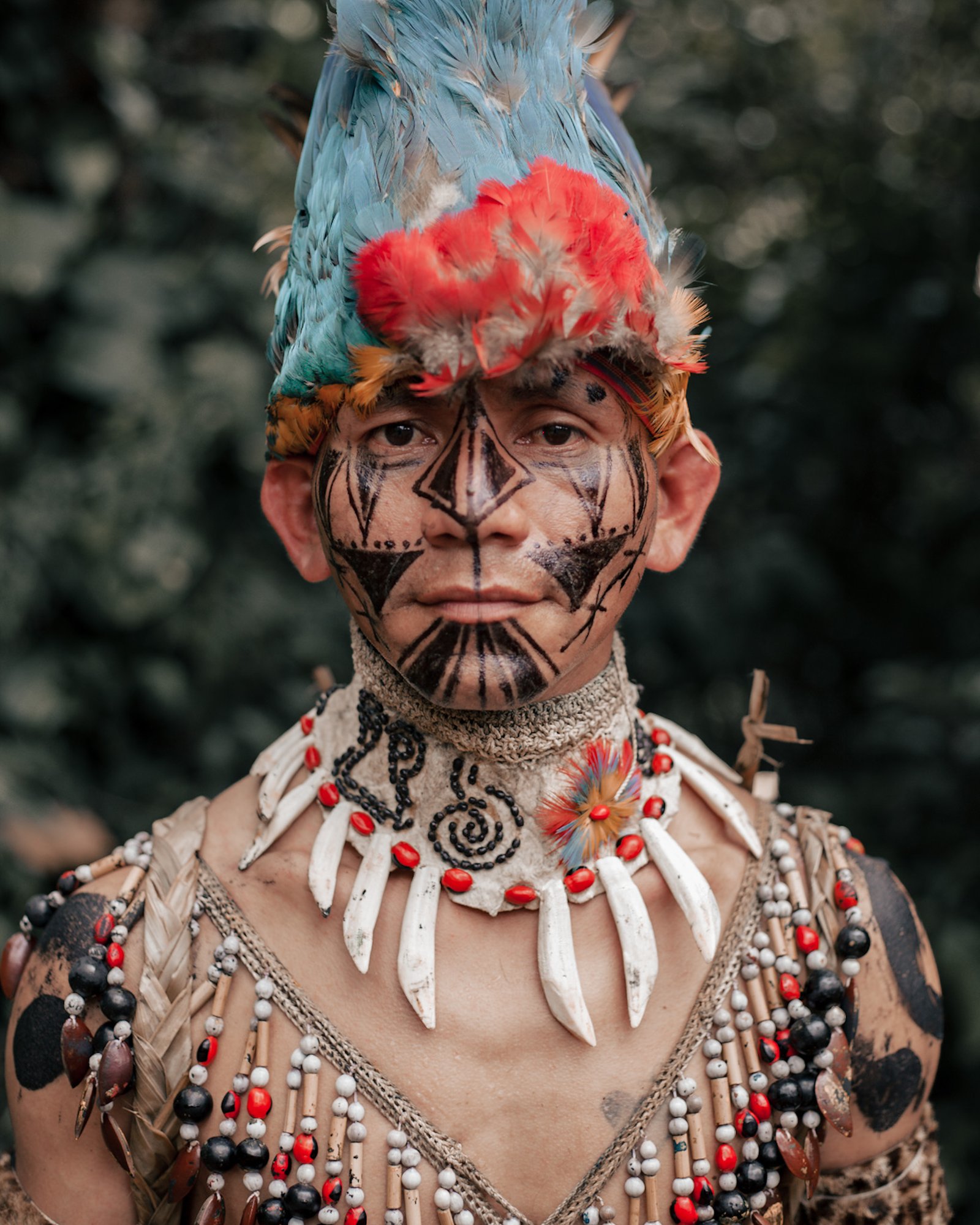
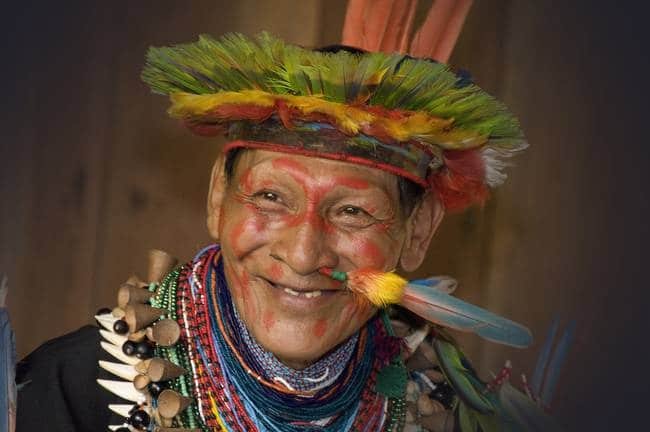
The Siona are one of the best-known Indigenous groups of the Cuyabeno Reserve. They live along the Cuyabeno and Aguarico rivers in small communities surrounded by forest and waterways. Their culture has deep roots in traditional medicine, spiritual practices and a close relationship with nature.

Life in the Amazon

Most Siona families live in wooden houses built on raised platforms near the river. Daily life is calm and follows the rhythm of the rainforest. People fish, grow small gardens, gather fruits and practice traditional hunting in a sustainable way. Canoes are still an important part of transportation, especially during high-water season.

Language and Traditions

The Siona speak Pai Coca, part of the Western Tukanoan language family. Many also speak Spanish. Elders pass down knowledge through stories, songs and rituals. A central figure in Siona culture is the yagé shaman, who plays an important role in healing, community guidance and traditional ceremonies.

The Siona have a deep understanding of medicinal plants. They know how to use roots, leaves and vines to treat common illnesses or support spiritual healing. Visitors often find it interesting that some medicines come from plants you walk past every day without noticing.

Tourism and Community

Inside the Cuyabeno Reserve, you can visit Siona communities as part of a guided tour. These visits usually include:

  • learning about traditional cooking, such as preparing cassava bread

  • meeting local families

  • seeing how natural materials are used for crafts

  • hearing stories about their connection to the forest

These visits are educational and respectful. They help support the community while giving travelers a real look at Indigenous life in the Amazon.

siona-kichwa-community-cuyabeno-wildlife-center

The Cofán

Cofán Community in Cuyabeno

The Cofán are one of the oldest Indigenous cultures of the Ecuadorian Amazon. Their history in the region goes back thousands of years. Today, small Cofán communities still live in the northern Amazon, including the area around the Aguarico River near Cuyabeno.

Life in the Amazon

Cofán families live close to rivers, where fishing is a big part of daily life. They also grow small crops like cassava, plantain and corn. Much of their lifestyle is based on moving through the forest on foot or by canoe, following old hunting trails and river routes that have existed for generations.

Language and Traditions

The Cofán speak A’ingae, a unique language that does not belong to any other language family in the region. Many elders still speak it fluently, and efforts are being made to teach it to younger generations. Traditions include storytelling, community gatherings and teaching about spirits that live in the forest and rivers.

The Cofán understand animal behavior, plant cycles and river patterns with a level of detail that comes from centuries of experience. Many of the plants they use for medicine, dyes and daily tools cannot be found in guidebooks and are only known through oral history.

Tourism and Community

Some Cofán communities near Cuyabeno offer visits. These visits may include:

  • learning about traditional hunting tools

  • walking forest trails used for generations

  • seeing how natural materials become baskets, jewelry or everyday tools

  • understanding how they protect their territory and culture

These experiences help travelers appreciate the Amazon from the perspective of one of its oldest cultures, while supporting local families.

The Kichwa

Kichwa Community in Cuyabeno

The Kichwa (or Quichua) are one of the largest Indigenous groups in South America, and many families live throughout the Amazon region of Ecuador, including areas connected to the Cuyabeno Wildlife Reserve. Their language is spoken across several countries, and in Ecuador it is recognized as an official language for intercultural communication.

Life in the Amazon

In the Cuyabeno region, Kichwa families often live along the riverbanks, where they fish, farm small plots and gather plants from the forest. Cassava, plantains and bananas are common crops. Many families also know how to prepare natural medicines from local plants, a skill that has been passed down through generations. Kichwa guides often share this knowledge with visitors, helping travelers understand the environment in a practical, meaningful way.

Deep Cultural Roots

Although Kichwa culture has many variations across Ecuador, Amazonian Kichwa share traditions such as storytelling, craft making and preparing foods like chicha de yuca. Their history in the region is long, and their relationship with the forest shapes many cultural practices.

Modern Challenges

Many Kichwa families in the Amazon face ongoing challenges such as limited access to education, healthcare and economic opportunities. Oil operations in the region have also created problems, including spills that affect rivers like the Coca and Napo. These rivers connect to areas where Kichwa communities live, fish and travel.

Even with these pressures, Kichwa leaders continue working to protect their land and keep their traditions strong. Their voices are important in national and international discussions about the Amazon.

Tourism and Community

Some Kichwa families welcome visitors and share their daily life. Guests may learn how to prepare traditional foods or see how crafts are made. These activities help support the community and keep traditions alive.

The Secoya

Secoya Community in Cuyabeno

The Secoya, also called Siekopai, are an Indigenous group living along the Aguarico River in the northern Amazon. Their communities are smaller than other groups in the region, but their culture is strong and closely connected to the rainforest.

Life in the Amazon

Secoya families live near the rivers, where fishing and canoe travel are part of everyday life. They grow crops like cassava, plantain and peanuts, and they keep small gardens filled with medicinal plants. The forest provides materials for tools, baskets and traditional crafts.

Language and Culture

The Secoya speak Pai Coca (Siekopai), a language related to the Siona language. Storytelling is an important part of their culture. Through stories, children learn about the spirits of the forest, the rivers and the animals that guide the community. Ceremonies with sacred plants also play a role in their spiritual life, especially for elders and community leaders.

Forest and Knowledge

The Secoya are expert trackers and know how to move quietly through the rainforest. They understand which plants can be used for medicine, which vines hold water and where certain birds or monkeys can be found. This knowledge is passed down from generation to generation, often during long walks through the forest or shared fishing trips.

Tourism and Community

Some Secoya communities near Cuyabeno welcome visitors who want to learn about their way of life. A visit may include:

  • walking forest trails with a local guide

  • learning about traditional fishing methods

  • seeing how natural dyes and crafts are made

  • hearing stories about the cultural connection between the Secoya and the rainforest

A visit supports local families and offers travelers a respectful look into the life of one of the Amazon’s most resilient cultures.

Our Mission

At Cuyabeno Wildlife Center, our mission is to provide our guests with an authentic and immersive rainforest experience while promoting conservation and sustainability for the animals of the Cuyabeno Reserve. We believe that ecotourism is a powerful tool for protecting the natural environment and supporting local communities.
lagarto-cocha-tour-cuyabeno-wildlife-center

Support local communities

Our tours support the local communities through sustainable practices, employment opportunities, and preservation of traditional cultures.
how-to-get-to-cuyabeno

Amazon Conservation Project

As part of the Amazon conservation project, we participate in reforestation efforts, wildlife monitoring, and environmental education to protect the Amazon rainforest.

Educate Guests who Visit us

We provide guests with guided tours and interactive experiences that showcase the incredible animals and ecosystems of the Cuyabeno Wildlife Reserve, to educate about the biodiversity and importance of the rainforest.