

The Rich Flora of the Cuyabeno Reserve

Amazon Water Lily - The Amazon water lily has very large floating leaves that can support the weight of a small child. Its flowers open at night and change color after being pollinated.



List of Flora
Cuyabeno Wildlife Reserve
Trees
- Ceiba Tree (Ceiba pentandra) – Known for its massive size and often considered sacred in indigenous cultures.
- Brazil Nut Tree (Bertholletia excelsa) – Produces the edible Brazil nuts and has a towering presence in the rainforest.
- Kapok Tree (Ceiba pentandra) – Similar to the Ceiba tree, it is also known for its immense size and cultural significance.
- Rubber Tree (Hevea brasiliensis) – Source of natural rubber, with a milky latex sap.
- Mahogany (Swietenia macrophylla) – Valued for its hardwood timber, known for its reddish-brown wood and straight grain.
- Cacao Tree (Theobroma cacao) – Produces cocoa beans used for making chocolate, shade-loving and found under the canopy.
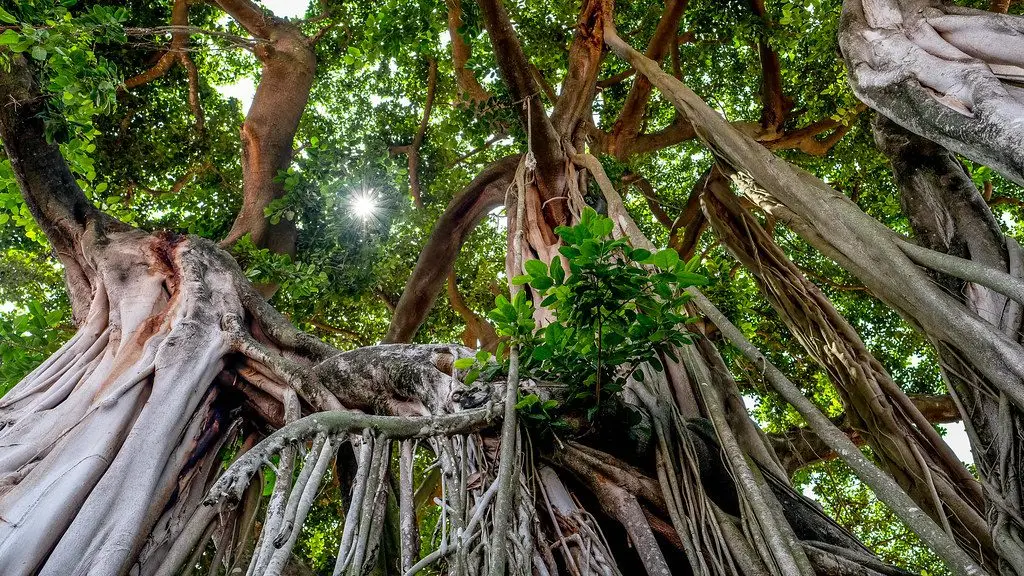
- Ficus Tree (Various species) – Fig trees that often have a mutualistic relationship with fig wasps and provide food for many animals.
- Brazilian Rosewood (Dalbergia nigra) – Valued for its dark, dense wood and used in fine woodworking.
- Acai Palm (Euterpe oleracea) – Produces acai berries that are rich in antioxidants and a staple food for many Amazonian animals.
- Cedro Tree (Cedrela odorata) – Known for its fragrant wood and used in furniture making and construction.
- Andiroba (Carapa guianensis) – Produces oil used in traditional medicine and soap-making, also known for its durable timber.
- Ipe Tree (Various species) – Known for its beautiful, dense wood that is highly valued for decking and outdoor furniture.
- Balsa Tree (Ochroma pyramidale) – Fast-growing and lightweight wood used in construction and crafts.
- Cupuacu Tree (Theobroma grandiflorum) – Related to cacao, produces fruits with a white pulp used in juices and desserts.
- Palm Trees (Various species) – Including various palms like the Mauritia flexuosa (buriti palm) and Attalea speciosa (babassu palm), providing fruits and materials.
Medical plants
- Cat’s Claw (Uncaria tomentosa) – Used for its anti-inflammatory and immune-stimulating properties.
- Ayahuasca (Banisteriopsis caapi) – A vine traditionally used in spiritual and healing ceremonies for its psychoactive effects.
- Sangre de Grado (Croton lechleri) – Known for its wound-healing and anti-inflammatory properties.
- Una de Gato (Uncaria guianensis) – Similar to Cat’s Claw, used for its immune-boosting and anti-inflammatory effects.
- Chuchuguasa (Maytenus laevis) – Used traditionally for treating digestive issues and as a general tonic.
- Sacha Inchi (Plukenetia volubilis) – A source of omega-3 fatty acids and used for its nutritional and medicinal benefits.
- Guayusa (Ilex guayusa) – A caffeinated holly plant traditionally brewed as a tea for its stimulant and antioxidant properties.
- Cascarilla (Cinchona spp.) – Used for its antimalarial properties due to its high quinine content.
- Ginger (Zingiber officinale) – Known for its digestive and anti-inflammatory properties, commonly used in teas and cuisine.
- Copal (Protium copal) – Used in traditional medicine for respiratory issues and as incense in spiritual ceremonies.
Orchids
- Cattleya (Various species) – Known for their large, showy flowers in vibrant colors.
- Dendrobium (Various species) – Often with cane-like stems and clusters of flowers in various colors.
- Phalaenopsis (Various species) – Often called moth orchids, known for their flat flowers and long-lasting blooms.
- Oncidium (Various species) – Characterized by clusters of small, brightly colored flowers resembling dancing figures.
- Epidendrum (Various species) – Diverse genus with sprays of small, often colorful flowers.
- Brassia (Various species) – Known as spider orchids due to their long, spidery flower sepals.
- Cymbidium (Various species) – Often grown for their long-lasting flowers and elegant appearance.
- Vanda (Various species) – Usually large, with strap-like leaves and colorful, long-lasting flowers.
- Miltonia (Various species) – Often fragrant with clusters of flowers resembling pansies.
- Vanilla (Vanilla planifolia) – Source of vanilla beans, with greenish-yellow flowers and vine-like growth.
- Paphiopedilum (Various species) – Known as slipper orchids, with unique pouch-like flowers.
- Coelogyne (Various species) – Typically with fragrant flowers and often grown for their elegant appearance.
Bromeliads
- Guzmania (Various species) – Colorful bromeliads with showy flower spikes and water-holding rosettes.
- Tillandsia (Various species) – Air plants that absorb moisture and nutrients from the air, often found attached to trees or rocks.
- Aechmea (Various species) – Bromeliads characterized by their striking inflorescences and spiky leaves.
- Neoregelia (Various species) – Known for their central rosettes of colorful leaves and relatively flat growth habit.
- Cryptanthus (Various species) – Low-growing bromeliads with decorative foliage and often intricate patterns.
- Vriesea (Various species) – Bromeliads with tall, colorful flower spikes and glossy foliage.
- Billbergia (Various species) – Bromeliads with colorful, tubular flowers and often broad, strap-like leaves.
- Pitcairnia (Various species) – Typically with rosettes of narrow, spiky leaves and tall, slender flower spikes.
- Tillandsia usneoides – Commonly known as Spanish Moss, this bromeliad forms hanging, grayish-green strands in tree canopies.
- Orthophytum (Various species) – Small to medium-sized bromeliads with compact rosettes and often colorful foliage.
- Canistropsis (Various species) – Typically with stout, leathery leaves and colorful inflorescences.
- Dyckia (Various species) – Bromeliads with stiff, sharp-edged leaves and often yellow or orange flowers.
Other interesting plants
- Cecropia Trees (Cecropia spp.) – Known for their rapid growth and hollow stems that provide shelter for ants, which in turn protect the tree from herbivores.
- Oxbow Lakes Palm (Mauritia flexuosa) – Also known as the aguaje palm, it produces edible fruit and is important for local economies and wildlife in flooded forest areas.
- Giant Arum (Amorphophallus gigas) – A species of arum known for its large, striking inflorescence and unpleasant odor when in bloom.
- Giant Amazonian Lily (Victoria cruziana) – Similar to the Amazon water lily, known for its large floating leaves and white flowers that open at night.
- Ecuadorian Pitcher Plant (Heliamphora spp.) – A genus of carnivorous plants found in the highlands of Ecuador, including some rare species that may be found in the Cuyabeno Reserve.
- Mangrove Trees (Various species) – Found in the coastal areas and river deltas of the reserve, mangroves are crucial for protecting against erosion and providing habitat for marine life.
- Wild Cocoa Trees (Theobroma bicolor) – A species of cocoa tree found in the understory, producing small, colorful fruit pods that are important for local wildlife.