
The Big 7 of Cuyabeno
 Often seen
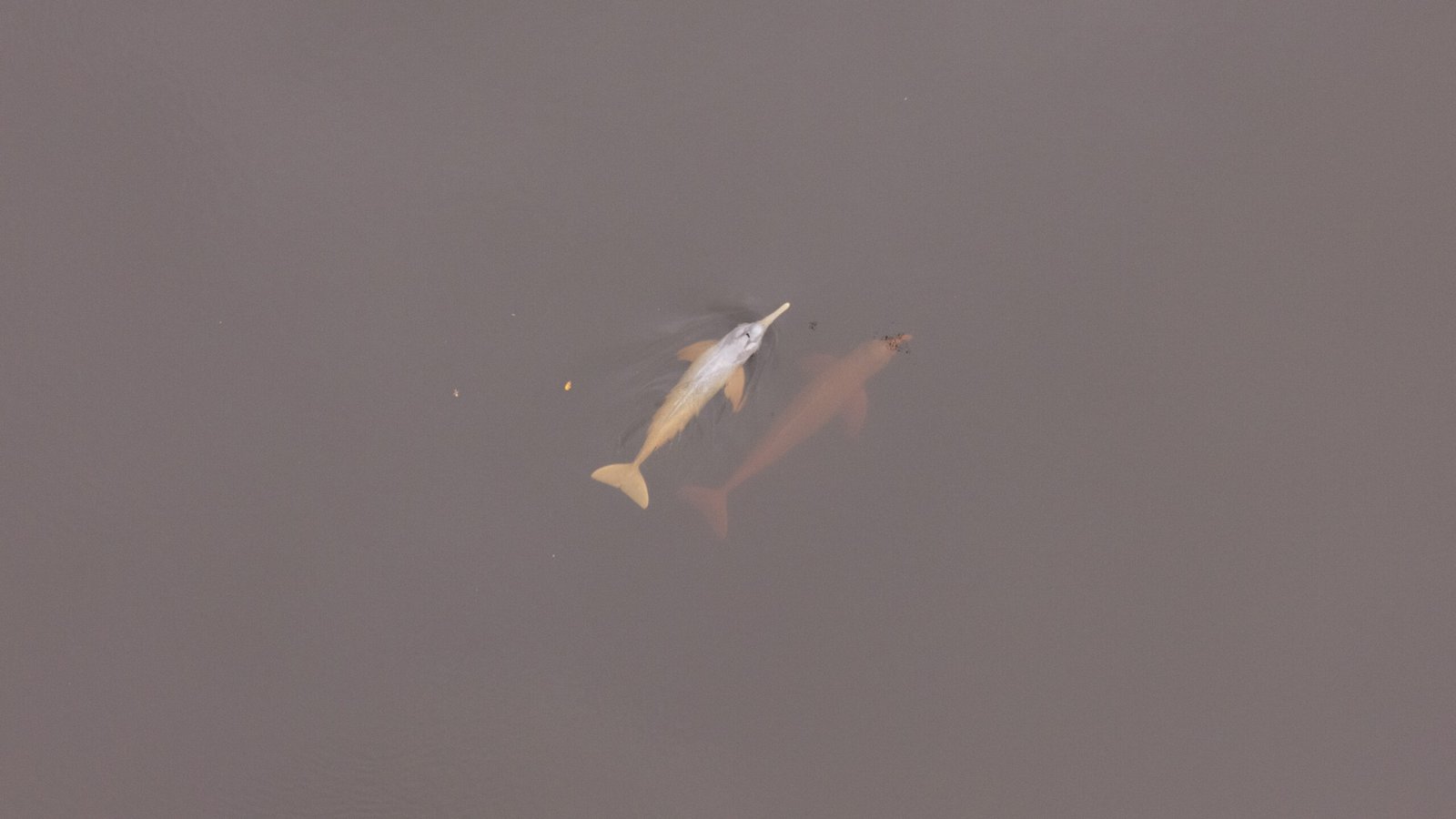
Pink river dolphin
The best-known animal of the reserve. In the wet season, pink dolphins swim in small groups in the lagoons and river bends. They come up next to the canoe with a soft puff of air. Unlike sea dolphins, they can turn their head from side to side. This helps them hunt fish between flooded tree trunks.
Where to look
Laguna Grande and river bends, early morning and late afternoon.
Best season
Wet season, when the lagoons are full.
 Often seen
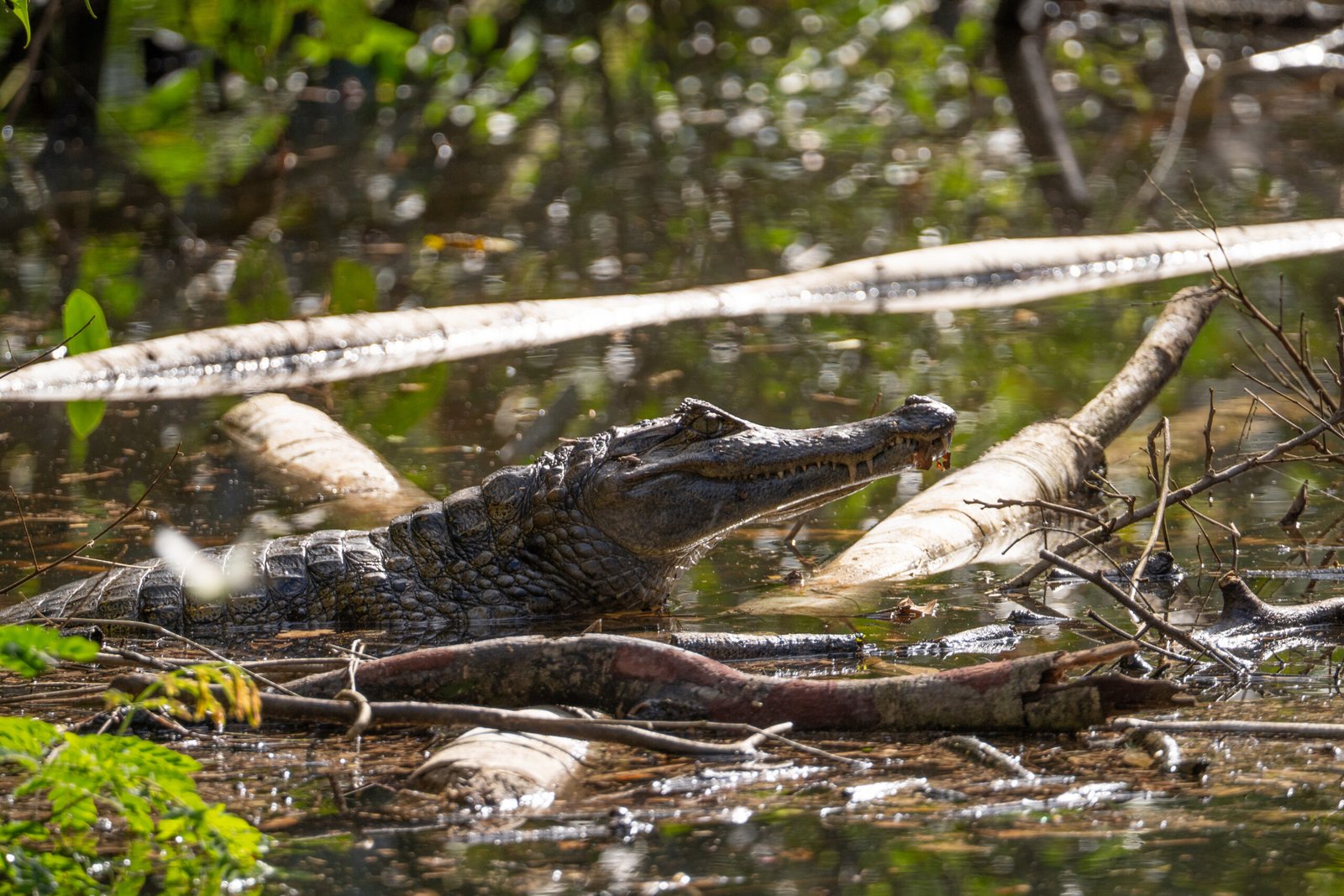
Black caiman
One of the top predators of the Amazon, and the largest of all caimans. Big adults can grow longer than four metres. People hunted them almost to extinction for their skin, but in Cuyabeno they have come back. On a night canoe ride you often see several. When your guide shines a torch over the water, their eyes light up like small orange lights.
Where to look
Along the edges of the lagoons, after dark.
Best season
All year.
 Often seen
Perezoso de tres dedos
Sloths move so slowly that tiny green plants grow in their fur. This makes them very hard to see between the leaves. They climb down only about once a week, so most of their life happens high above the river. Look for a grey ball in the branches that slowly turns into a face.
Where to look
Tall riverside trees. Ask your guide to point one out.
Best season
All year.
 Sometimes seen
Nutria gigante
The longest otter in the world, and one of the loudest. Giant otters live and hunt together in family groups and need clean water with lots of fish. So when a family lives in a creek, you know the water is healthy. Listen for their whistles and snorts, because you often hear them before you see them.
Where to look
Small side rivers, away from the main river.
Best season
All year.
 Sometimes seen
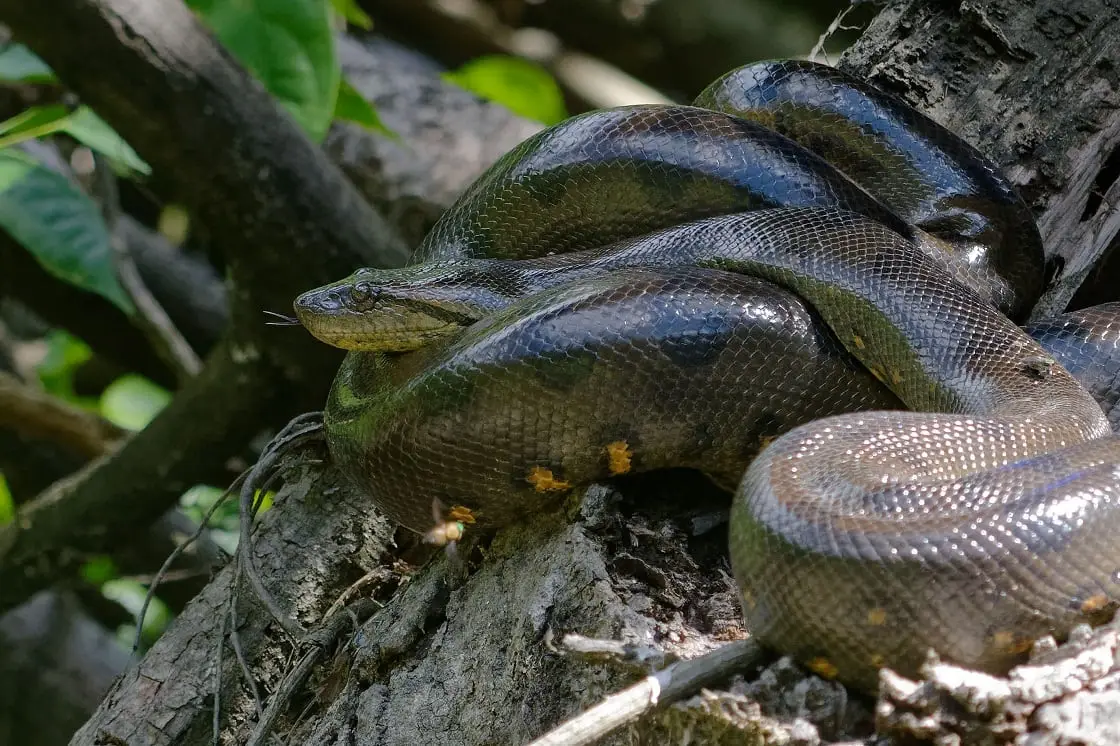
Green anaconda
No snake in the world is heavier. The green anaconda lives mostly in the water of the flooded forest, often with just its eyes and nose above the surface. Most guests see one when it rests in the plants at the water's edge to warm up in the sun. Seeing one depends on the season, the water level and a bit of luck.
Where to look
Edges of the flooded forest, on warm and sunny days.
Best season
Dry season, when the water is low.
 Lucky find
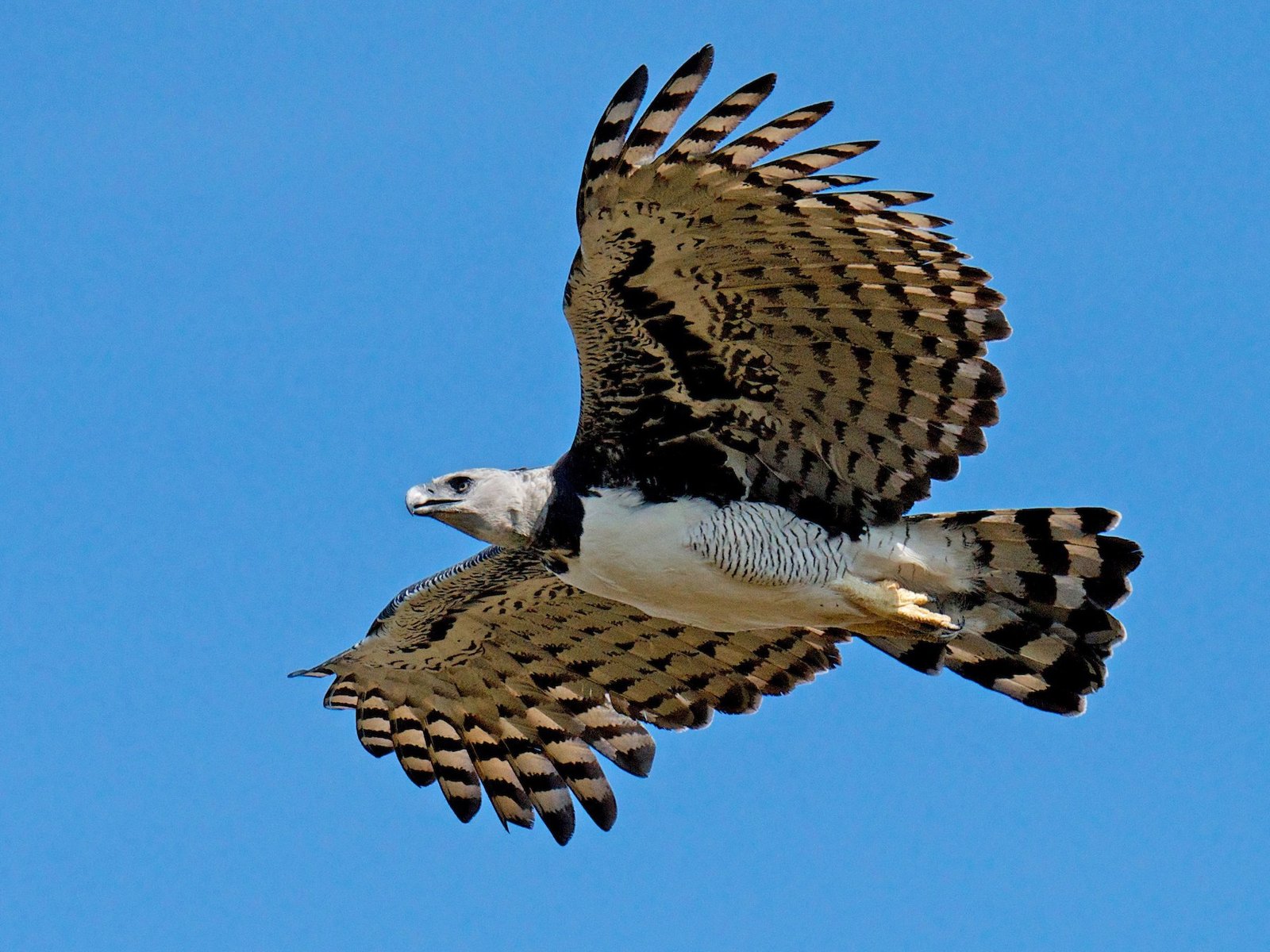
Harpy eagle
One of the strongest eagles on earth. Its claws are longer than your fingers, and it catches monkeys and sloths in the treetops. A pair needs a huge area of old forest and a very tall tree for its nest. So a harpy eagle nearby says a lot about how healthy the forest is.
Where to look
The very top of the forest. Always look up.
Best season
All year.
 Lucky find
Jaguar
The largest cat in the Americas, and unlike most cats, it loves water. It swims across rivers and hunts both in the flooded forest and on dry land. Jaguars live all over the reserve, but very few visitors see one. Most guests find tracks in the mud instead. If you are lucky, it is usually early in the morning, for just a short moment.
Where to look
Muddy riverbanks, where it leaves its footprints.
Best season
All year.
Tips for spotting wildlife in the Cuyabeno
-
Bring binoculars
Sloths, harpy eagles, toucans and monkeys often stay high in the Amazon canopy. With 8x or 10x binoculars, you see them up close. Check our Lista de Equipaje for more tips.
-
Go out at sunrise and sunset
Animals in the Amazon rainforest are most active early in the morning and late in the afternoon. This is the best time to see pink river dolphins, monkeys and birds.
-
Join the night activities
After dark, a different jungle wakes up. On the water you can find caimans, and in the forest you can find frogs, tarantulas and other small animals.
-
Stay quiet and wear calm colours
Animals stay relaxed when you talk softly and move slowly. Clothes in green, brown or grey help you blend in.
-
Follow your local guide
Local guides know the sounds, tracks and hiding places of the animals. They often spot a sloth or a caiman long before you do, so ask questions and follow their lead.
-
Take a few extra days
Every extra day in the Cuyabeno Wildlife Reserve gives you more sunrises, more night rides and more time on the water. The more time you spend in the jungle, the more animals you can meet.
Find the Big 7 on any tour
Every tour goes into the reserve with a local guide, so every tour gives you a chance to meet the Big 7 of Cuyabeno. Choose the classic experience, or go deeper into the jungle on an expedition.
Classic Big 7 Experiences
Meet pink dolphins, caimans and sloths from the canoe, and keep your eyes open for more.
Deeper in Cuyabeno for Lucky Finds
More time in the quiet parts of the reserve, where giant otters, anacondas and the rarest animals live.
Wildlife is wild, so we can never promise a sighting. Our guides always do their best to help you find as many animals as possible.